
Our Story | SINCE 2002
It began with an absence, and a decision.
In 2002, clarinetist Terrance L. Patterson founded the Ritz Chamber Players in Jacksonville and named it for the historic Ritz Theatre in LaVilla, at the heart of the city's Black cultural community.
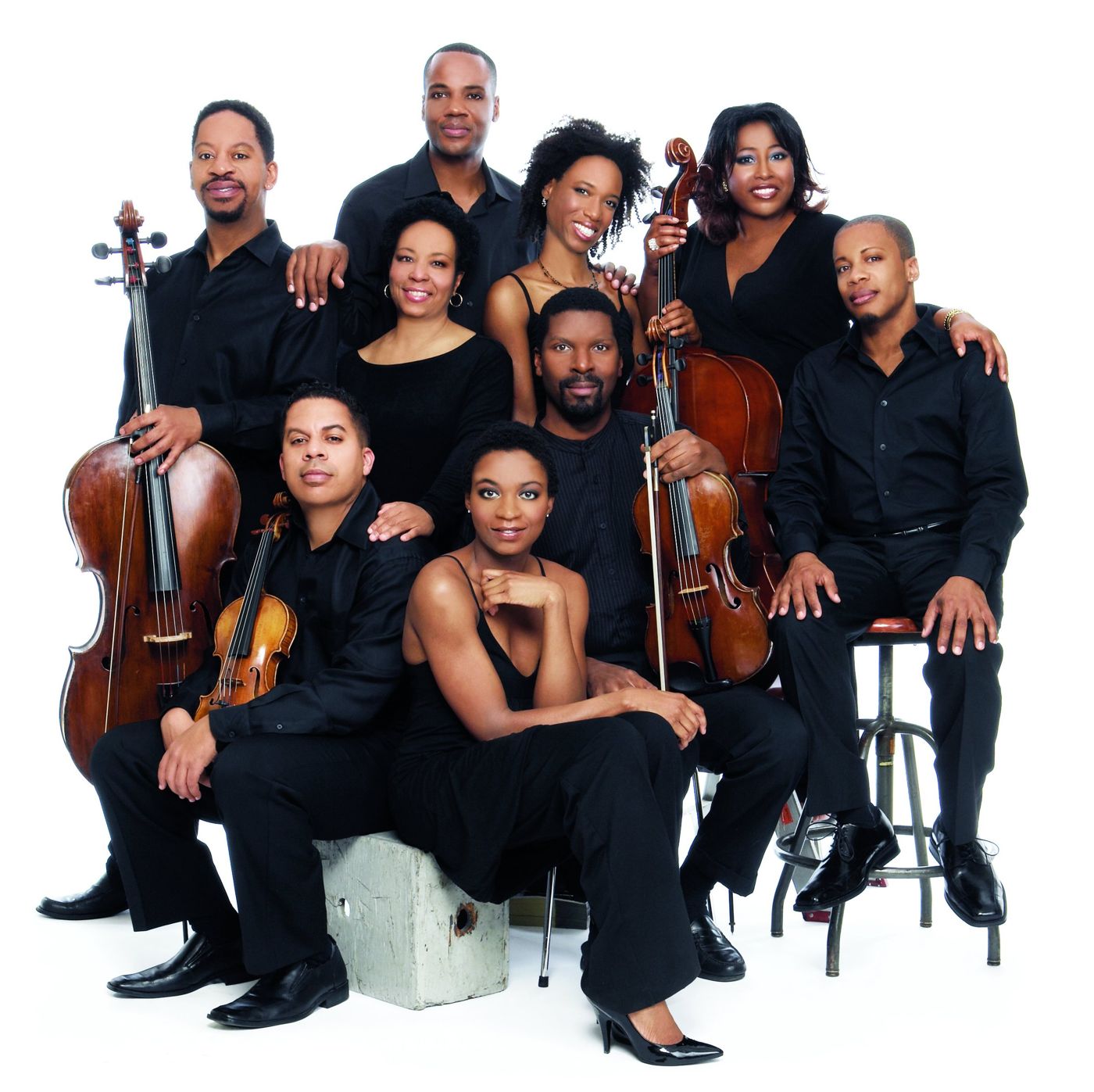
RCP chose performance as the answer.
RCP was created in response to a classical field that spoke often about universality while giving too little space to Black artists and the repertoire of the African diaspora.
The answer was not an argument. It was the music, performed at the highest level. RCP has since presented more than 700 performances, appeared at Carnegie Hall, Lincoln Center, and the Library of Congress, reached international audiences through the BBC World Service, and brought more than 20 commissions and premieres into the repertoire.
The conviction has not changed. The stage is simply larger.
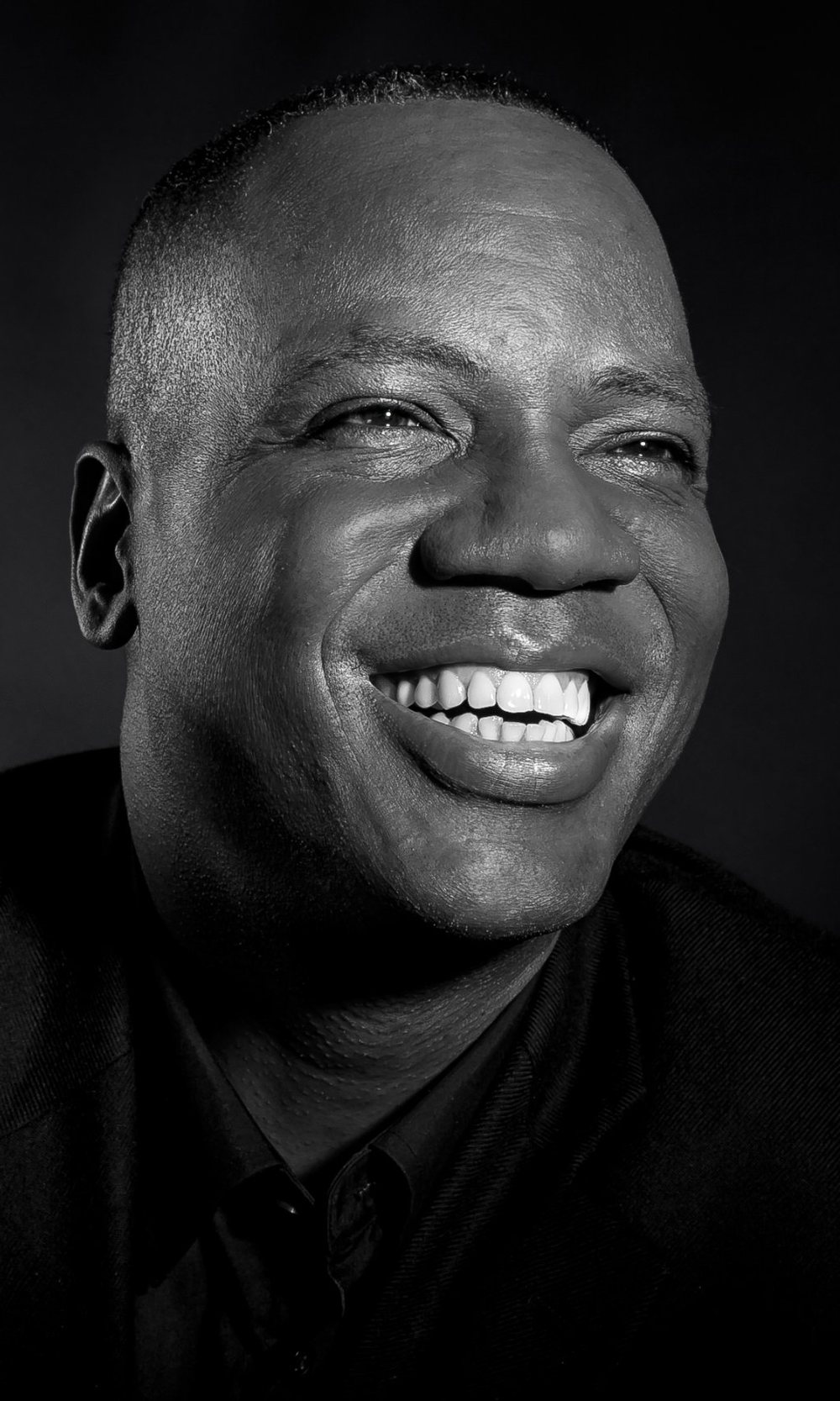
A FOUNDER'S NOTE
EXPANDING THE STAGE was never a slogan. It was the work.
When I founded the Ritz Chamber Players in 2002, I was not trying to create a niche inside classical music. I was responding to something I had seen too often: Black musicians could be exceptional and still be treated as exceptions, while extraordinary music by Black composers could remain outside the programs that claimed to represent the tradition itself.
I knew the problem was not the music. And I never believed the problem was the audience. The problem was the size of the stage we had been willing to imagine.
So we built a different one.
We named the Ritz Chamber Players for the historic Ritz Theatre in LaVilla because place mattered. Jacksonville had given me my beginning, and LaVilla carried a history of Black artistry, enterprise, and cultural life that deserved to be connected to the work we were building. From the start, RCP brought exceptional musicians together around a repertoire that was both familiar and too rarely heard. We placed Florence Price, Margaret Bonds, George Walker, Coleridge-Taylor Perkinson, Adolphus Hailstork, and others where they belonged: in the concert, not in the footnote.
Over time, the work grew beyond any single program. We commissioned new music. We reached young people and older adults. We kept admission free or Pay What You Can because excellence is diminished, not strengthened, when access is treated as a privilege. We built relationships with artists, communities, institutions, and audiences who returned because the experience was not about correcting them. It was about inviting them into more music, more history, and more possibility.
25 years later, I am proud of the record, but I am more interested in what the record makes possible. The Silver Jubilee is not a finish line. It is a threshold. The next stage belongs to the artists we have not yet met, the scores not yet written, the students who have not yet been told that this field is theirs, and the audiences who deserve the full story.
That is what EXPANDING THE STAGE has meant from the beginning. And that is the work ahead.
Terrance L. PattersonFounder, Executive & Artistic Director
MISSION, VISION, AND VALUES
To celebrate the African diaspora through classical music in ways that transcend all barriers and inspire all people.
Our vision
A classical field in which the artistry and repertoire of the African diaspora are part of the ordinary center of the tradition, and in which the next generation of Black classical musicians inherits more room than the generation before it.
What we believe
- Excellence and access strengthen one another.
- The most persuasive argument for repertoire is a great performance.
- Context should deepen the listening experience, not replace it.
- A living canon must recover what was overlooked and create what does not yet exist.
- The responsibility to the artists who come next is as real as the responsibility to the artists onstage now.
25 YEARS
A quarter century is long enough to prove something.
Artists connected to leading orchestras and stages have performed with RCP, and the organization has appeared at Carnegie Hall, Lincoln Center, and the Library of Congress, with international reach through the BBC World Service.
Restoration is only half the work. Composers connected to RCP's record of new music include Adolphus Hailstork, James Lee III, Jonathan Bailey Holland, Coleridge-Taylor Perkinson, Gary Smart, and George Walker.
Beneath the record is a public commitment: free and Pay What You Can admission, school and community programs that have reached more than 18,000 young people and 6,000 older adults, and pathways designed to make the next generation of artists possible.